
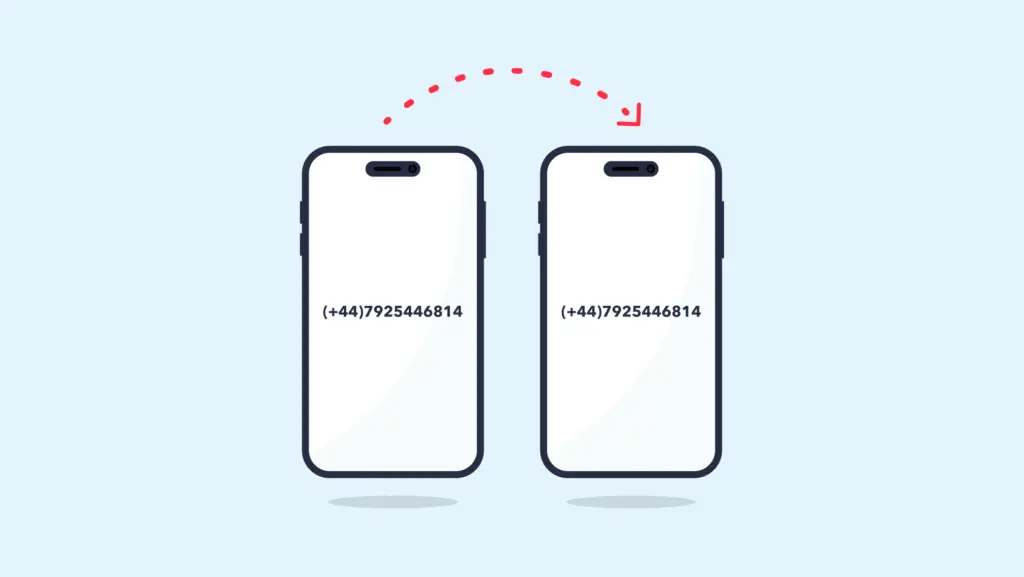
Your phone provider keeps disappointing you. Calls drop. Support takes too long. Yet you keep paying the bill because one question stops you:
What happens to our business number if we leave?
That number is on your website, invoices, vehicles, and customers’ saved contacts. You have spent years making it familiar. Starting over sounds expensive.
The good news is that switching business phone providers often allows you to keep your existing number. With the right preparation, you can also address the installation, employee training, and service interruptions that make changing providers feel overwhelming.
Can You Keep Your Number When Switching Business Phone Providers?
In many cases, yes. Moving your existing number to another provider is called number porting. The FCC explains that customers changing providers within the same geographic area can generally retain their numbers, although exceptions exist.
Have your new provider confirm that each number can transfer before making commitments. Prepare a recent phone bill, your account details, and a complete list of numbers you want to keep.
Include direct employee numbers and fax numbers in that conversation. Your main line may be the most recognizable, but it might not be the only number customers use.
Keep your current service active until your new provider confirms that the numbers have transferred successfully. The FCC advises starting service with the new company before terminating the old service. Agree on cancellation timing with your new provider.
Review Your Contract Before Planning the Move
Switching business phone providers deserves the same attention you would give any major business service change.
Review your current agreement for renewal dates, cancellation notice requirements, early termination charges, and equipment obligations. Ask for clarification in writing if anything is unclear.
Then compare the full scope of the replacement service:
- Who installs and configures the phones?
- What support is included after installation?
- Are programming changes included?
- What equipment costs or return requirements apply?
- Who coordinates the number transfer?
A monthly price only tells part of the story. Your comparison should show what your team will receive and which responsibilities remain yours.
How TotalBC Handles the Transition to CallNet
TotalBC’s CallNet transition process addresses the practical work behind switching business phone providers:
- Number verification. TotalBC checks your existing numbers and prepares the port request.
- System preparation. Your CallNet system is configured and tested before the changeover.
- Call routing and devices. Call flows and phone configurations are prepared for the move.
- Installation. An on-site technician handles the changeover and checks phones, routing, and features.
- Employee training. Your team receives instruction on the new system’s features and operation. CallNet by TotalBC
That preparation gives you specific milestones to discuss before installation day.
Bring your current frustrations to the planning conversation. If customers regularly reach the wrong department, explain where they should go. If your receptionist spends the afternoon chasing employees, describe how those calls should be handled.
Use the move to fix the daily problems that prompted it.
Will Switching Business Phone Providers Interrupt Calls?
A brief interruption can occur during number porting. TotalBC schedules the changeover for a lower-impact period and keeps failover arrangements in place to help maintain reachability.
Ask what the plan means for your business:
- When is the transfer expected?
- Where should incoming calls go if something takes longer?
- Who will confirm that your numbers are working?
- Who should your staff contact with a problem?
Separate the overall project schedule from the actual number-transfer window. Equipment preparation, coordination, and training belong on the calendar too.
Avoid building your plans around an assumed completion date. Get the timing confirmed and share it with everyone who answers customer calls.
Prepare Employees for the Calls They Handle Every Day
Switching business phone providers affects your receptionist, sales staff, managers, and employees working away from the office.
Make training practical. Ask staff to practice answering, transferring, placing callers on hold, and checking voicemail. Have someone test the situations that previously caused confusion.
For example, can reception transfer a caller to someone working remotely? What happens when an entire department is busy?
CallNet offers mobile and desktop apps, call routing, voicemail delivery to email, and after-hours routing. Discuss which features fit your workflow, then make sure employees understand the ones they will use.
Assign one internal contact to collect questions and coordinate feedback.
Plan Your Move With TotalBC
You should be able to explain your phone-system change to employees in a few sentences: when it happens, how calls will be handled, and where to get help.
If those answers are still missing, keep planning.
For businesses across North and South Carolina, TotalBC provides CallNet VoIP for Business with installation, training, and ongoing support.
Thinking about switching business phone providers? Contact TotalBC to discuss your existing numbers, call requirements, and a transition plan built around your business.