
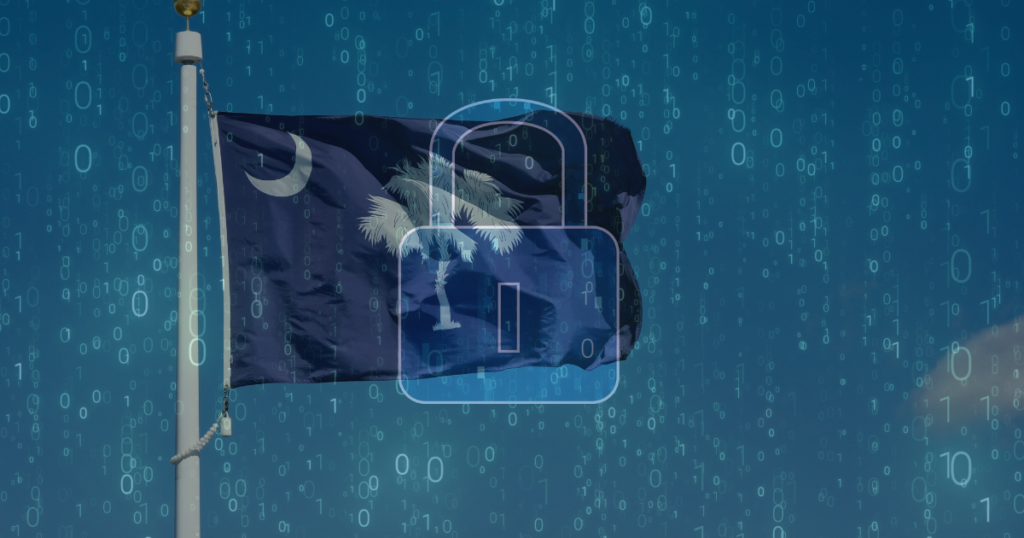
Cybersecurity is no longer a concern reserved for large corporations or federal agencies. Recent events in South Carolina prove that local governments and small to midsize organizations are now prime targets for cybercriminals, and the consequences are growing more severe.
According to local investigations, hackers breached nearly a dozen South Carolina government offices and agencies, compromising sensitive data belonging to more than 500,000 residents.(Source: Fox Carolina) This included municipalities, school districts, and public utilities, organizations that many would assume are too small to attract sophisticated cyber threats.
But that assumption is exactly what makes them vulnerable.
Why Local Governments and SMBs Are Prime Cybersecurity Targets
Cybercriminals are strategic. They do not always go after the biggest organizations. They go after the easiest ones to breach.
Smaller government offices and SMBs often lack the budget, staff, and advanced tools needed to maintain strong cybersecurity defenses. At the same time, they still store highly valuable data such as:
- Social Security numbers
- Payment information
- Employee records
- Utility billing and tax data
In South Carolina, recent breaches impacted entities like county governments, school districts, and local commissions, highlighting how widespread the issue has become.
Experts point out that these organizations face the same level of threat as large enterprises but without the same level of protection.
Hackers Are Targeting Smaller Organizations. Here’s Why
There are three major reasons cybersecurity threats are shifting toward smaller targets:
1. Human Error Is the Weakest Link
Many cyberattacks do not begin with advanced hacking tools. They start with people. Phishing emails, weak passwords, and lack of training are often the entry point.
Security experts in South Carolina noted that attackers frequently exploit human weaknesses rather than technical ones.
2. Limited Cybersecurity Investment
Budget constraints play a major role. When funding decisions are made, cybersecurity often gets pushed down the priority list until something goes wrong.
Organizations may delay upgrades, skip training, or operate outdated systems, creating easy entry points for attackers.
3. Outdated Infrastructure
Legacy systems are common in local governments and SMBs. These systems often lack modern security updates, making them highly vulnerable to ransomware and data breaches.
The Real Cost of Poor Cybersecurity
The impact of these breaches goes far beyond data loss.
In South Carolina alone, cybercriminals have:
- Stolen sensitive personal information from hundreds of thousands of residents
- Compromised public funds and disrupted operations
- Forced organizations into costly recovery efforts
And the problem is bigger than one incident. State data shows millions of South Carolinians have been affected by data breaches in recent years, underscoring how widespread cybersecurity risks have become.
For SMBs, the consequences can be even more severe:
- Business downtime
- Loss of customer trust
- Legal liability and compliance issues
- Potential business closure
What This Means for Businesses in the Carolinas
If local governments can be breached, so can any business.
Cybercriminals do not discriminate. They look for opportunity. In many cases, SMBs are easier to exploit than large enterprises.
Industries at higher risk include:
- Healthcare
- Legal firms
- Construction and trades
- Retail and service businesses
- Financial services
If your business handles customer data, processes payments, or relies on digital systems, cybersecurity is not optional. It is essential.
How to Strengthen Your Cybersecurity Today
The good news is that many cyberattacks are preventable with the right strategy. Businesses and organizations can significantly reduce risk by implementing a few key measures:
1. Employee Training
Your team is your first line of defense. Regular training on phishing, password security, and safe practices can stop attacks before they start.
2. Multi Factor Authentication (MFA)
Adding an extra layer of login security can block unauthorized access, even if passwords are compromised.
3. Regular System Updates
Keeping software and systems updated ensures known vulnerabilities are patched.
4. Data Backup and Disaster Recovery
Having secure backups allows your business to recover quickly without paying ransom demands.
5. Managed Cybersecurity Services
Partnering with an experienced IT provider ensures continuous monitoring, threat detection, and rapid response.
Cybersecurity Is a Business Imperative
The recent wave of cyberattacks across South Carolina is a clear warning. No organization is too small to be targeted.
Hackers are evolving. They are becoming more sophisticated, more strategic, and more focused on organizations that lack strong defenses.
For local governments and SMBs alike, cybersecurity is no longer just an IT issue. It is a business survival issue.
Don’t Wait Until It’s Too Late
Every day without a cybersecurity strategy is a risk.
If your business has not evaluated its security posture recently, now is the time. A proactive approach can mean the difference between staying operational or becoming the next headline.